



CONTAMINATION? LET’S TACKLE IT TRU-GETHER
Contamination in your cleanroom is more than just a blemish on your record – even the slightest impurity can derail operations and put employees and customers at risk. With TRU, it doesn’t have to come to that. We not only do what we say, we say what we do. From understanding contamination to stopping it in its tracks, we've got you covered.
Want expert advice? Request a free consultation
What is contamination?
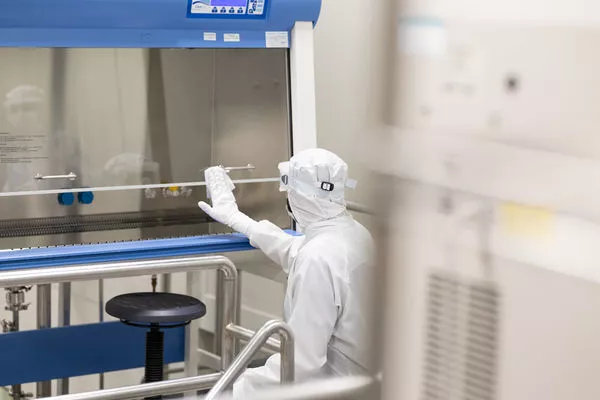
There's one word that speaks volumes in any language: contamination. That’s because its consequences are so far-reaching. It’s a catch-all term for any type of unwanted impurity. In cleanrooms, even the tiniest speck of dust or dirt can derail production and disrupt research – especially in GMP and ISO environments. But contamination is more than just dirt. We categorize it into four types:
- Physical contamination: contamination from physical particles such as dust, hair, fibers, or equipment wear particles
- Microbiological contamination: unwanted living microorganisms such as bacteria, molds, and yeasts, capable of forming biofilms. You can read more about this type in our blog
- Chemical contamination: damage caused by chemical substances or residues from cleaning agents, process chemicals, or solvents
- Cross-contamination: transfer between different products, processes, or areas
What causes contamination?
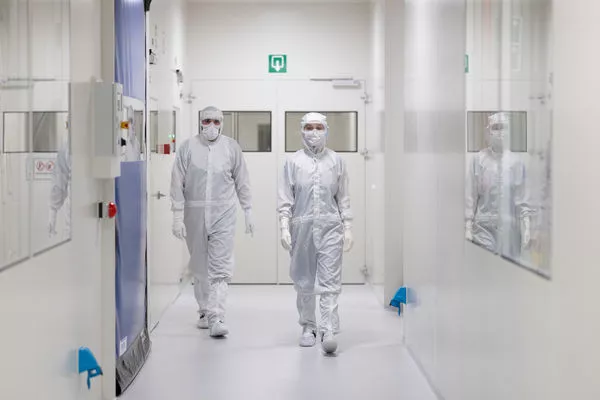
Even the most well-designed cleanrooms aren’t immune to contamination. Microbes, dust particles, and chemical residues can slip through the cracks, no matter how strict your procedures. And the smallest mistakes can have the biggest impact. Below are some examples:
- Hair, skin cells, clothing fibers, and microbes
- Poorly cleaned machines or tools
- Flawed or illogical workflows
- Airborne particles, moisture, or microorganisms from ventilation systems
- Incorrect cleaning agents, incomplete protocols, or infrequent cleaning
Conclusion: human actions and decisions are often at the root of contamination. At the TRU Academy, we train your team to understand the impact of their actions.
Why contamination matters
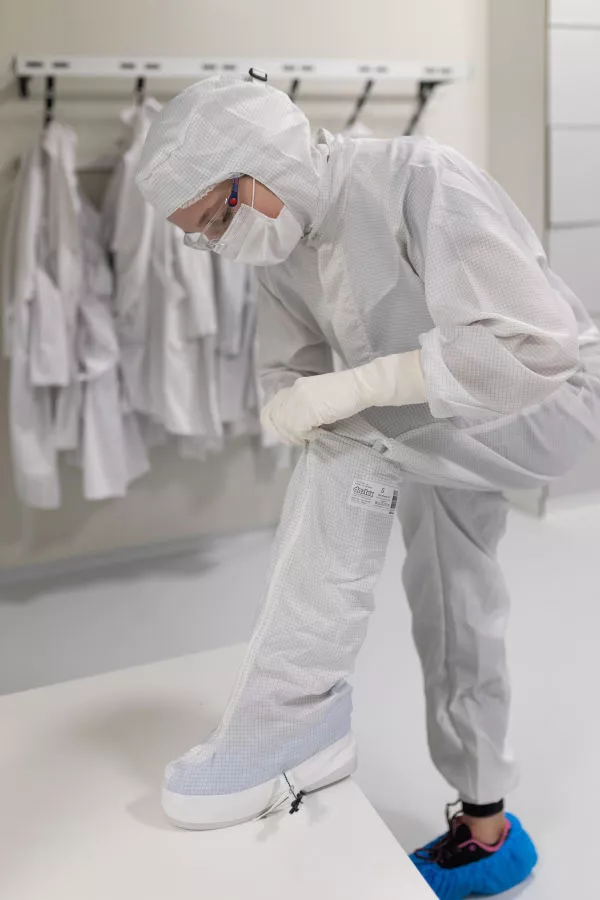
Most contaminants are invisible, but their effects can have very real and far-reaching consequences. They can disrupt processes, compromise products, and cause unexpected problems both inside and outside your organization. Potential risks include:
- Product loss and rework costs: if your product or batch no longer meets quality standards, it can result in lost raw materials, reduced production capacity, and costly rework or disposal.
- Negative audits: non-compliance during inspections or audits (ISO or GMP) can result in production shutdowns, fines, and mandatory corrective actions, affecting both planning and compliance.
- Reputation damage and recalls: contaminated products undermine customer and end-user trust. In severe cases, recalls may be necessary, generating significant costs and negative publicity.
- Increased safety risks: microbial, chemical, and physical contamination can pose a direct threat to employees and consumers, particularly with food and pharmaceutical products.
Familiar with GMP Annex 1?
Getting contamination under control
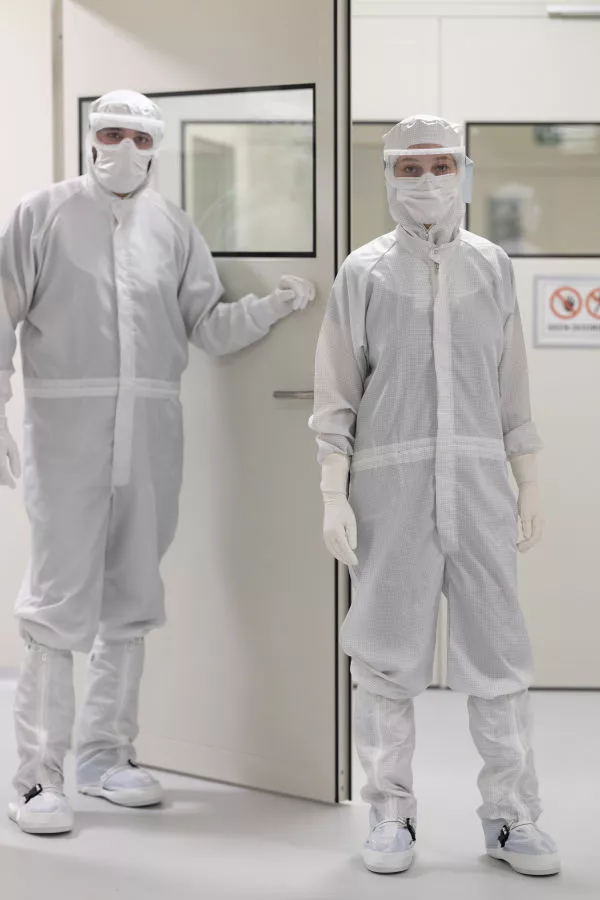
Want to sweep contamination under the rug for good? You can, with a thoughtful and consistent approach. Preventing contamination in your cleanroom requires action, attention, persistence, and a clear understanding of how impurities arise and spread. TRU leads you to zero contamination in six steps:
1. Objective scan
Using fifteen simple yes/no questions, we quickly identify your biggest contamination risks. The lower your final score, the more corrective measures you need.
2. Cleaning program
Based on identified pain points and in line with our Critical Cleaning Approach, we create detailed protocols with clearly assigned responsibilities and the right tools and techniques.
3. Team training
At the TRU Academy, we teach your staff the skills to ensure the right actions, workflows, and execution. If desired, we can monitor their progress over time.
4. Validation and documentation
We embed the procedures within your organization and provide clear reporting, including preparation for external audits.
5. Digital monitoring
We introduce you to our digital platform for better process tracking and oversight. This keeps you in control and aligned with GMP standards.
6. Continuous improvement
We evaluate your measures by holding regular audits and updating plans, procedures, and training programs as necessary.
What not to do
Frequently asked questions about contamination
What’s the difference between cleaning and disinfecting?
Cleaning removes visible dirt, while disinfecting kills microorganisms. Both are essential, but not every cleaner is a cleanroom cleaner. It’s a specialized skill. That’s why our Critical Cleaning Approach insists on using only trained personnel.
How do I spot a biofilm?
A biofilm is a thin layer of microorganisms, such as bacteria or mold, that attach to a surface and encase themselves in a protective layer of slime. A biofilm layer may look sticky or discolored, but often it can only be detected through laboratory testing. Want to learn more? Read our blog.
How do I prepare for a GMP audit?
Start with an internal audit or risk analysis to identify any weak points in your processes or documentation. Update your protocols and procedures according to applicable guidelines, such as GMP Annex 1. Then validate your processes with measurements, document everything carefully for compliance, and train your team to master every step.
What kind of training do my employees need?
That depends on the results of the first step in our collaboration: a thorough scan of your current approach. Based on the results, our TRU Academy will create a tailored program for your team.
Ready to tackle contamination for good?
Schedule a consultation, download our whitepaper, or get inspired by our cases.
T(R)UGETHER we zero in on contamination.